
Juglans nigra - Black Walnut
Juglans nigra, commonly known as black walnut, is a species of deciduous tree native to eastern North America. Black walnut trees typically reach heights of up to 30 metres, with a spreading canopy and distinctive dark, deeply furrowed bark.
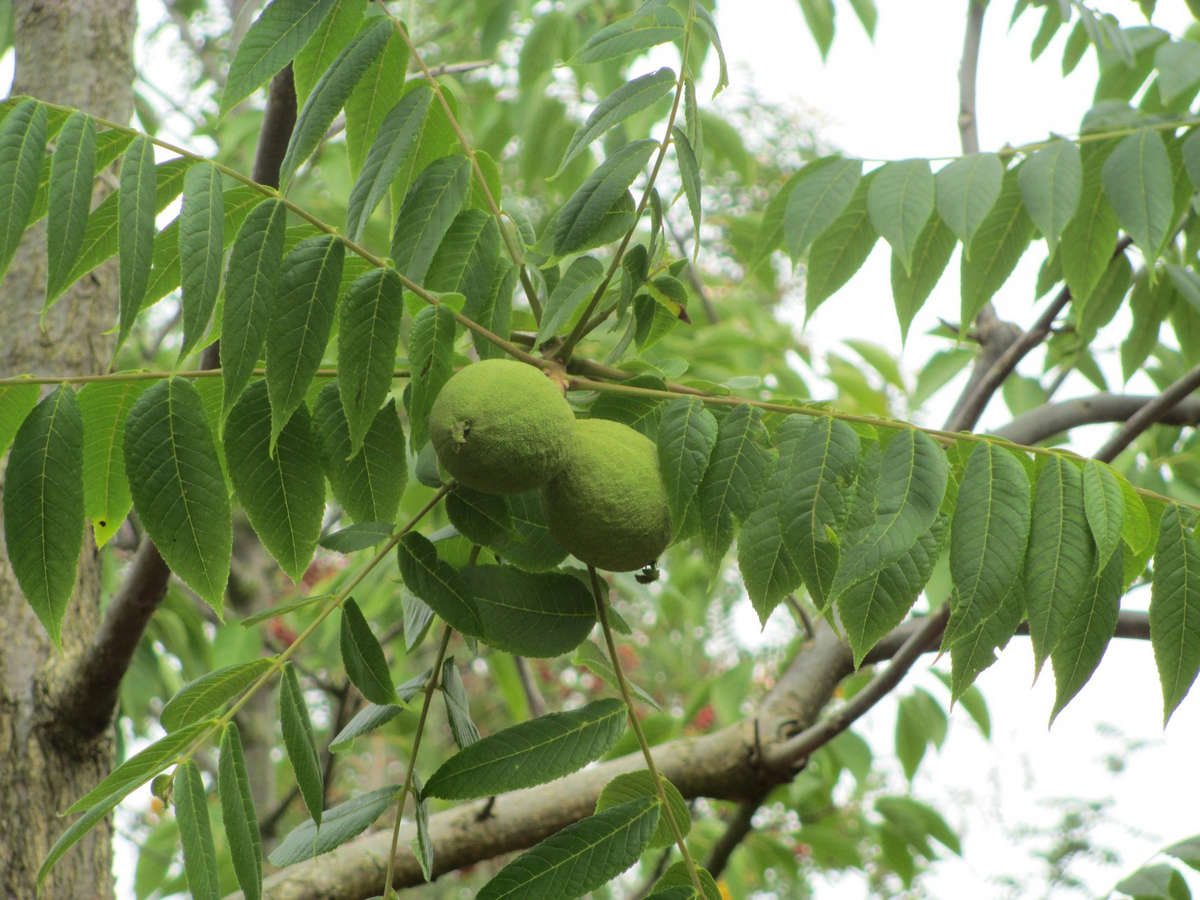

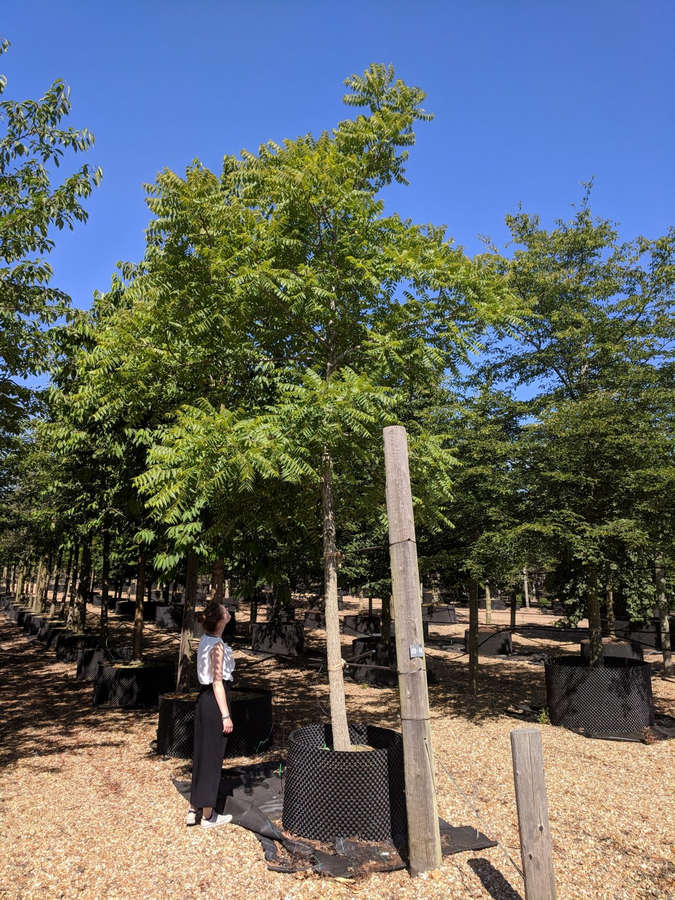


The tree produces edible nuts enclosed in thick, hard shells that are highly prized for their rich flavour and nutritional content.
The wood of Juglans nigra is also valued for its strength, durability, and attractive dark coloration. Leaves are composed of multiple leaflets, alternatively arranged, first arriving fresh green before turning striking yellow in the autumn.
Black walnut trees play a crucial role in supporting biodiversity, providing habitat for various wildlife species, and contributing to healthy forest ecosystems. Due to its cultural, economic, and ecological significance, Juglans nigra remains an important and valued tree species in its native range.
FACT: Both male and female flowers appear in spring to early summer. Male catkins droop from branches and female flowers appear in clusters. It is named the Black walnut due to the dark appearance of its bark
Plant Profile
Name: Juglans nigra
Common Name: Black Walnut
Family: Juglandaceae
Height: 25.0-30.0 metres
Width: 7.0-10.0 metres
Demands: Full sun.
Soil: Moist, well drained soil including clay.
Foliage: Fresh green leaves are made of multiple leaflets. In the Autumn, leaves turn golden yellow.
Flowers: Edible nuts are produced in Summer and Autumn.
Deepdale Trees are expert growers and wholesalers of the UK's finest semi-mature trees and shrubs
Contact Us